Build Sustainable Daily Eating Routines
We provide educational guidance on structured eating patterns, keto-style meal planning, and intermittent fasting schedules to support your lifestyle goals.
Request a Consultation
We provide educational guidance on structured eating patterns, keto-style meal planning, and intermittent fasting schedules to support your lifestyle goals.
Request a Consultation
We help you understand and build daily eating routines that fit your lifestyle, without making medical claims or promises.
General information about eating patterns, meal timing, and food choices for your personal routine.
Guidance on creating consistent daily habits around meals, hydration, and lifestyle choices.
One-on-one consultation to discuss your questions about structured eating approaches.

A keto-style routine focuses on foods that are lower in carbohydrates and higher in healthy fats. This eating pattern has become popular as a personal lifestyle choice for some individuals.
This approach typically includes foods like leafy vegetables, nuts, seeds, healthy oils, and protein sources while reducing intake of grains, sugars, and starchy foods.
Please note: This is general information about an eating style, not nutritional advice for any specific condition.
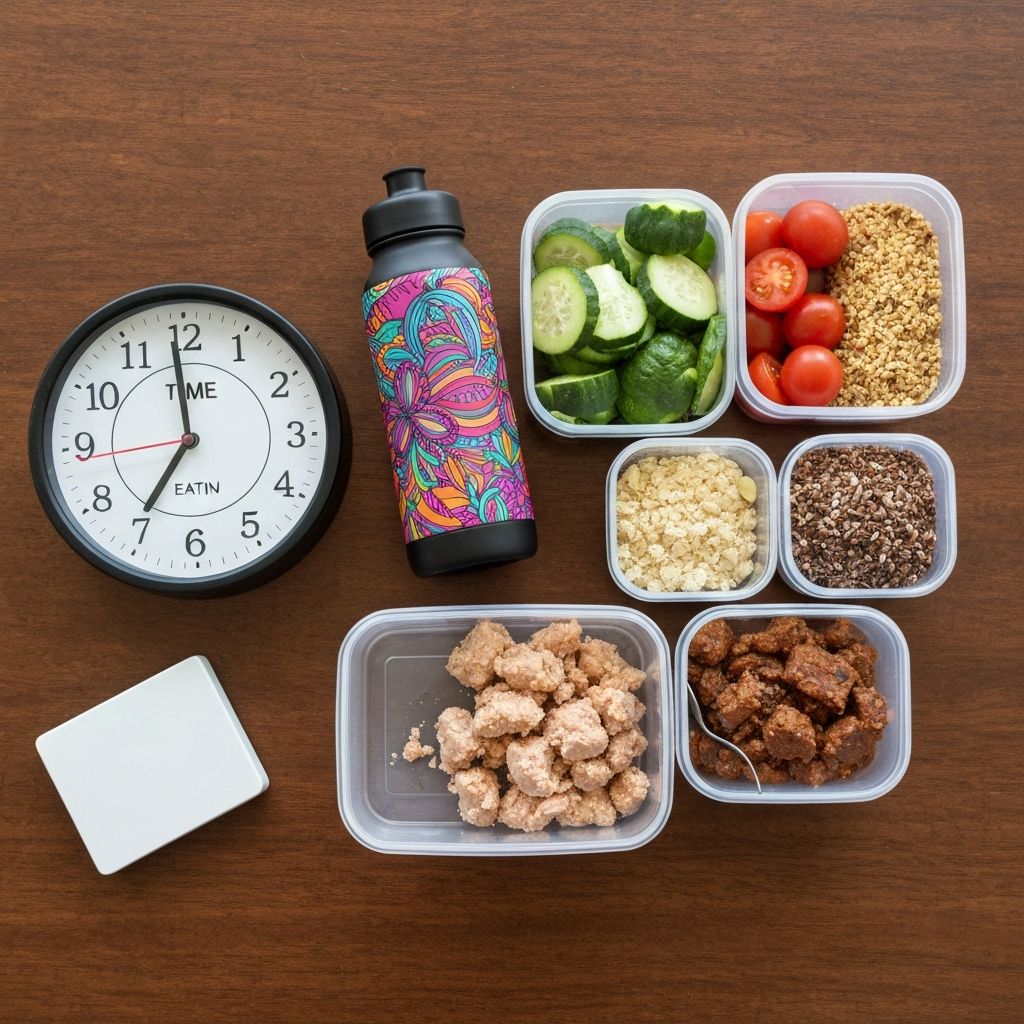
Intermittent fasting is an eating pattern that cycles between periods of eating and not eating. It focuses on when you eat rather than what you eat.
Common approaches include eating windows of 8 hours with 16 hours of not eating, or other time-restricted patterns that individuals choose based on their personal schedule and preferences.
Remember: This is an educational overview, not a recommendation for any individual.
This pattern involves eating during an 8-hour window and abstaining from food for 16 hours. Many people find this fits naturally with their daily schedule.
Example: Eating between 12:00 PM and 8:00 PM
A slightly longer eating window of 10 hours with 14 hours of not eating. This can be easier for those new to time-restricted eating.
Example: Eating between 10:00 AM and 8:00 PM
This involves eating normally for 5 days and significantly reducing intake for 2 non-consecutive days per week.
Note: This requires careful planning and may not suit everyone
Many individuals create their own eating windows based on work schedules, family needs, and personal preferences.
Flexibility is key to maintaining any long-term routine
Staying hydrated is an important part of any daily routine. Water supports many body functions and can help you feel your best throughout the day.
For keto-style eating:
For intermittent fasting:
Consistent sleep patterns can support your overall daily routine. Many people find that regular meal timing and sleep schedules work together naturally.
Regular physical activity complements structured eating patterns. Find activities you enjoy and can maintain consistently.
Building any new habit takes time and patience. Focus on small, sustainable changes rather than dramatic shifts in your lifestyle.
Structured eating routines like keto-style meal planning or intermittent fasting may interest individuals who:
Remember: We provide educational information and lifestyle guidance only. We do not offer nutritional advice for any specific condition, make health claims, or provide recommendations. You are responsible for your own dietary choices and decisions.
"The educational resources helped me understand different eating patterns. I appreciate the neutral, informative approach without any pressure."
Sarah M.
Jakarta
"I learned a lot about keto-style routines and meal planning. The consultation was helpful for understanding how to build consistent habits."
David T.
Surabaya
"The information about intermittent fasting was clear and easy to understand. I felt empowered to make my own informed choices."
Lisa K.
Malang
Absolutely. Many people adapt basic patterns to fit their personal schedule, preferences, and lifestyle. There is no single approach that works for everyone.
Consider your daily schedule, work hours, social commitments, and personal preferences. Many people start with a moderate approach and adjust based on their experience.
Typically, keto-style eating includes non-starchy vegetables, healthy fats, proteins, nuts, seeds, and limited fruits. The focus is on whole, minimally processed foods.
Many people include black coffee, tea, and water during non-eating periods. Beverages without calories generally do not interrupt the fasting window.
Planning ahead helps. Consider researching food options at your destination, bringing portable snacks that fit your routine, and being flexible when needed.
It's normal to experience challenges. Focus on progress rather than perfection, adjust your approach as needed, and remember that consistency develops over time.
Many people find flexibility important for long-term sustainability. Some choose to follow their routine most days while allowing flexibility for special occasions or circumstances.
Adaptation varies by individual. Some people adjust within days, while others take several weeks. Be patient with yourself during the transition period.
Request a consultation to discuss structured eating routines and get personalized guidance on building sustainable daily habits.
Request Information